Ashwin MitchellStudio · Los Angeles

Narrative editorial · Los Angeles

The Getaway

A lone thief in a red dress, escaping across Los Angeles — photographed in three acts. Not a mood board with a caption: a story with a protagonist, a want, a reversal and an ending.

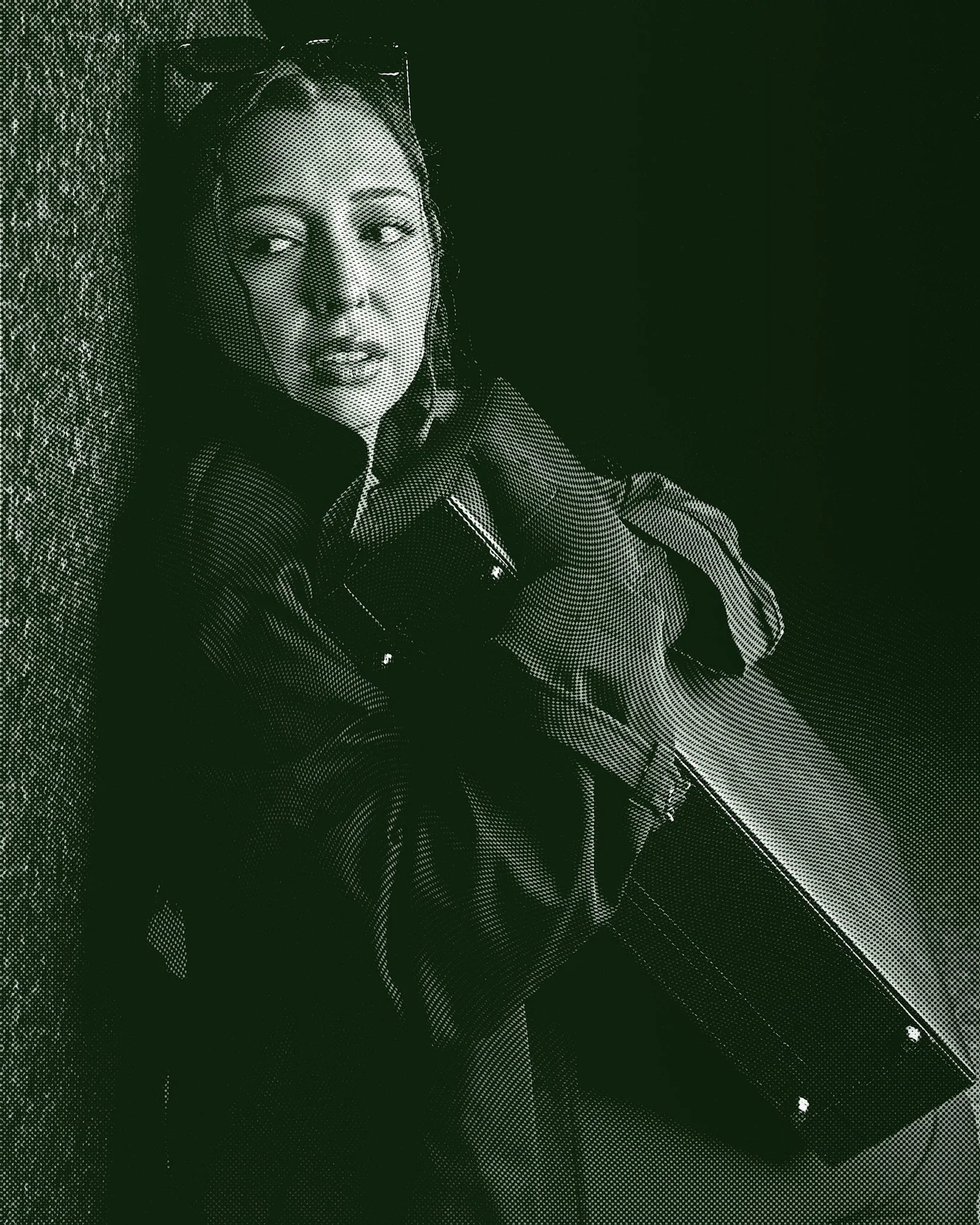
Opening frame of The Getaway: the thief in a red dress moving through a dark Los Angeles street.
Opening frame. Everything after this is consequence.

Why it exists

“She doesn't look like she ran. She looks like she won.”

The Getaway was made to answer a question that comes up in every meeting: what does it actually mean that he writes and shoots? This is the answer in one artefact. The series is structured on a three-act spine, and the reader feels the structure without being told it is there — tension, release, arrival.

Act I is pursuit: hard light, motion, frames that cut off before they settle. Act II lets the air back in — the thief stops being chased and starts being a person. Act III is the payoff, and it is deliberately unhurried, because the whole point is that the run is over and she got away with it.

Act I

The Chase

Act I of The Getaway: the thief mid-movement in hard night light.
Act I — the frame refuses to settle.

The first act is all velocity. The camera is never quite level with her, she is never quite whole in frame, and the light is the kind that belongs to somewhere she should not be. The colour is doing the plot work: the red dress is the only thing in the sequence that is completely certain of itself.

A writer's instinct decides what is withheld. You do not see what she took. You do not see who is behind her. The absence is the hook.

Act II

The Calm

The middle act is where most editorials fall apart, because nothing is happening. Here the stillness is earned: the pursuit stops, the light softens, and the series spends time on the person rather than the pace. This is the act that makes the ending mean anything.

Practically, it is also the proof of range within a single commission — the same subject, same day, a completely different register, and it still reads as one body of work.
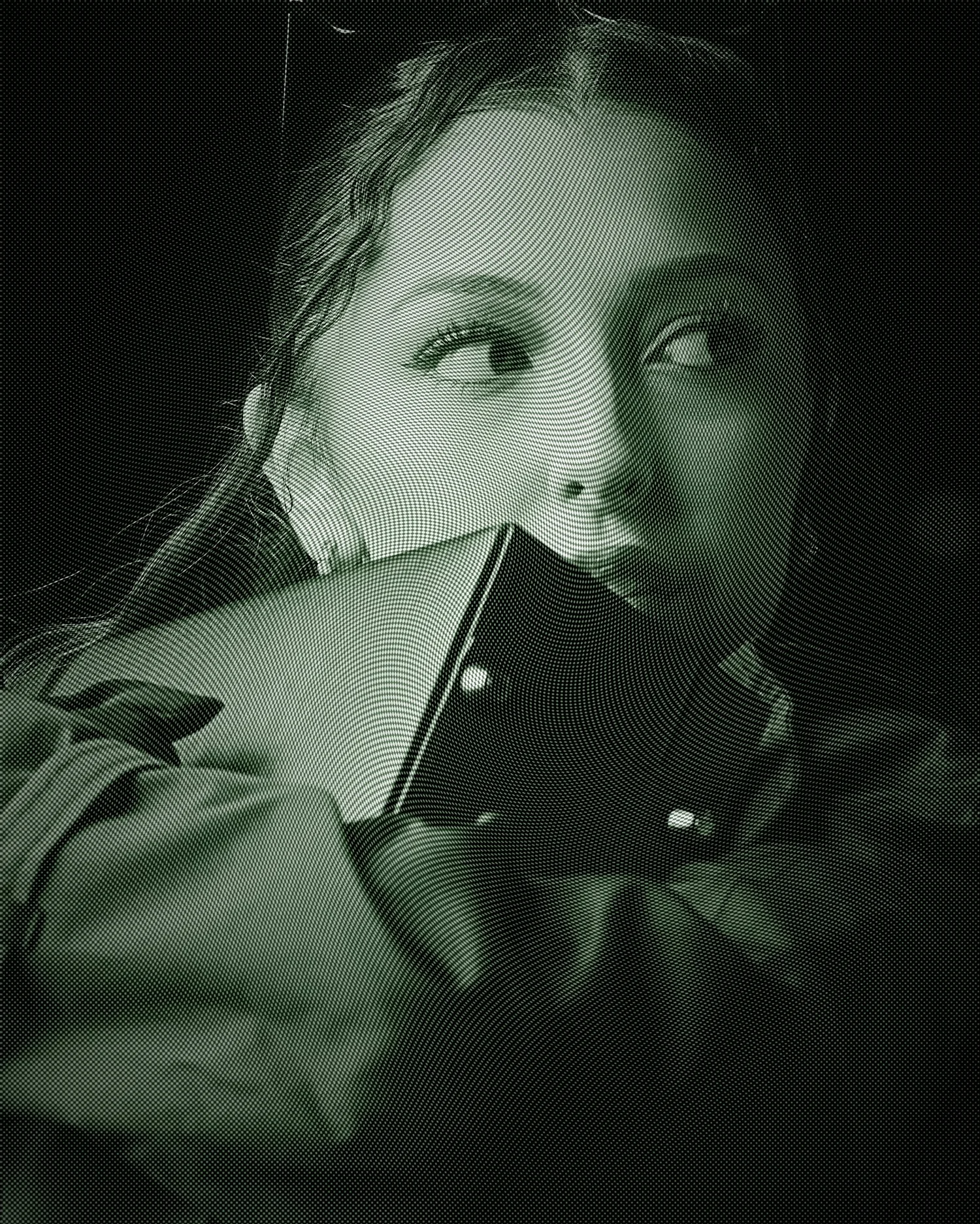
Act II of The Getaway: the thief at rest in soft daylight.
Act II — the air comes back in.

Act III

The Reward

The last act is a victory lap shot like a portrait. No running, no cover, no apology. The line that sits under the series — “She doesn't look like she ran. She looks like she won.” — is the whole thesis of the project: photography can carry a character arc if someone bothers to write one first.
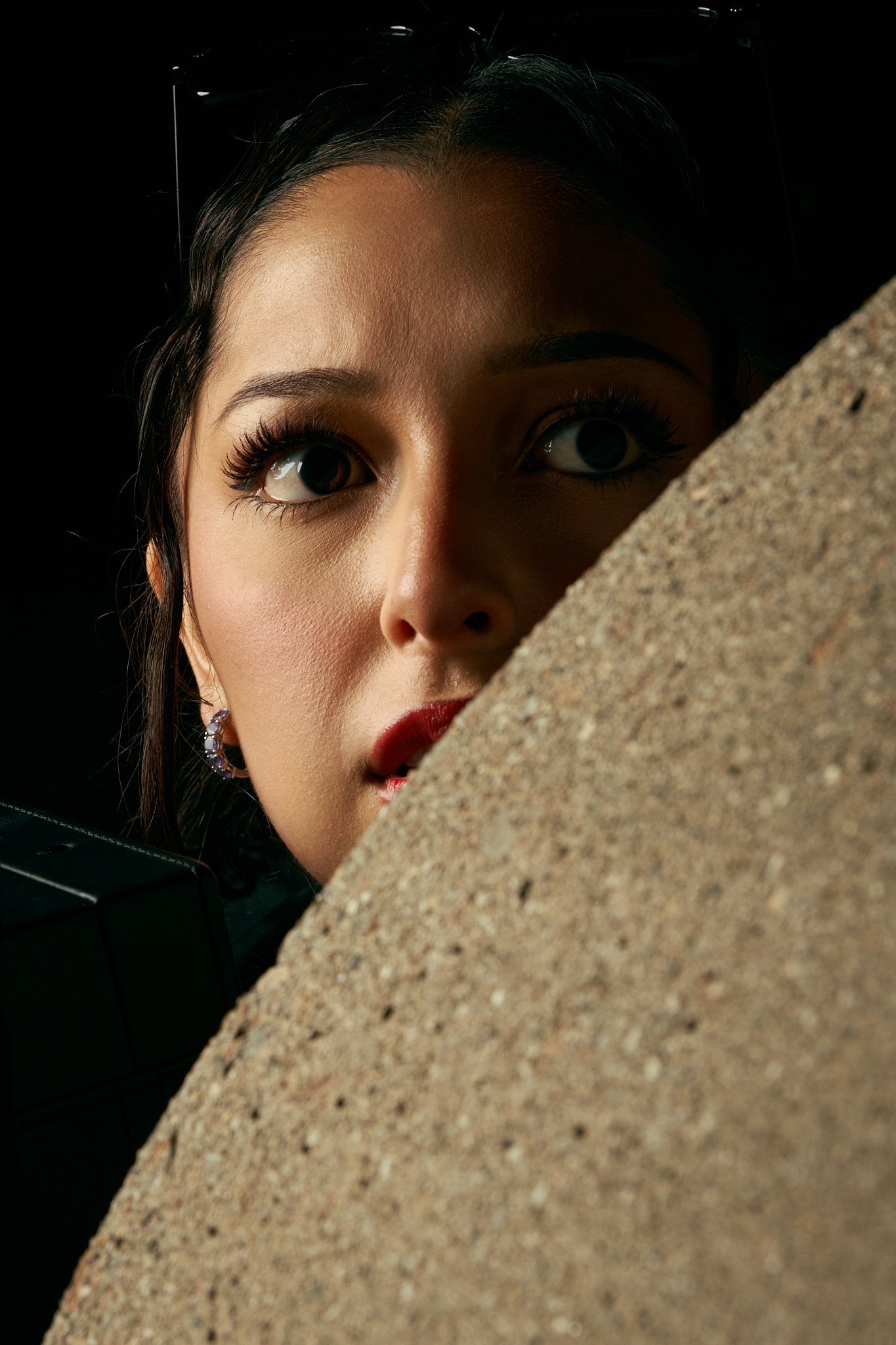
Closing frame of The Getaway: the thief composed and still, the chase over.
Act III — she looks like she won.

What a client gets from this

The same method, on your brief.

A narrative editorial commission runs the way this did: a written premise first, then casting, styling and location chosen against that premise, then a shoot planned in acts so the edit has a shape before anything is retouched.

Editorial from $1,500 per shooting day, priced per project, with pre-production and creative direction through final delivery.

Bring him a premise.

A brand, a magazine, an artist, a project with a story in it and nobody to shape it. Say what it is and he will come back with a structure.